~ A Free Event ~
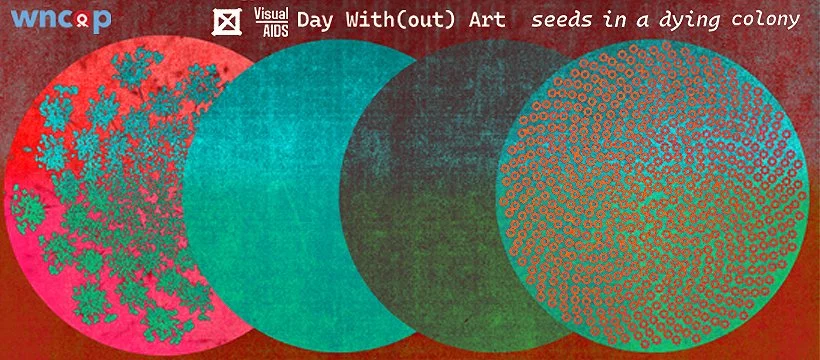
a program of four newly commissioned videos that move through the afterlives of colonialism and the ongoing HIV epidemic.
The Western North Carolina AIDS Project (WNCAP) is proud to partner with Visual AIDS for Day With(out) Art 2026 by presenting seeds in a dying colony. Across fractured histories and landscapes marked by extraction, the works trace how systems of power shape the body, memory, and experiences of care.
seeds in a dying colony will feature four newly commissioned short videos by artists from across the world: Edgar Hudson (Tanzania), Bruna Kury and Matheus Mello (Brazil/Spain), Sido Lansari (Morocco/France), and Micaela Cyrino (Brazil).
The program responds to a moment marked by deepening neocolonialism and mass desensitization to violent, preventable death, including recent spikes in HIV cases and deaths. Driven by cuts to international aid programs like USAID and PEPFAR, this resurgence reveals how access to care remains shaped by broader systems of U.S. and Western power that determine whose lives are protected and whose deaths are allowed to pass in silence.
seeds in a dying colony is an exploration of how systems organized around abandonment and premature death produce disconnection from the self and disruptions of memory, history, and cultural continuity. At the same time, movement, ritual, and beauty emerge as forms of recalibration, methods of reclaiming the body and reorienting toward life within conditions designed to constrain it.
The title of the program draws from the work of psychiatrist and political philosopher Frantz Fanon, whose writings on colonial violence and the racialized psyche have been taken up by some AIDS historians and theorists to understand how global health systems, formed through colonial rule, ultimately determine the order, quality, and conditions under which people receive healthcare, while also overwriting indigenous knowledge of healthy, embodied living. Rather than isolating HIV as a singular issue, seeds in a dying colony gestures toward the tension between systems of domination that appear enduring and the latent power and ancestral knowledge that remains in their undoing.
The artists in this program were selected by a jury of filmmakers who each selected an artist to mentor through their production process. The mentors of the 2026 program include Amil Shivji, Hiura Fernandes, Ésery Mondesir, and J Triangular. Visual AIDS is a New York-based non-profit that utilizes art to fight AIDS by provoking dialogue, supporting HIV+ artists, and preserving a legacy, because AIDS is not over.
-
Chris is an Asheville native who has worked for WNCAP, since 2007. Chris provides program, fundraising and volunteer coordination support. He also facilitates special projects like Day With (out)Art,
-
This evening, we have Michael Harney with us from the Western North Carolina AIDS Project. Some of you may know him as "The Rubberman." I'll let you ponder that for a moment. He will be with us for the viewing of the films, and afterward, he is happy to answer questions you may have about HIV/AIDS or STIs or Hepatitis, and what he and the Western North Carolina AIDS Project do in the community. Thank you all for coming out to this event.

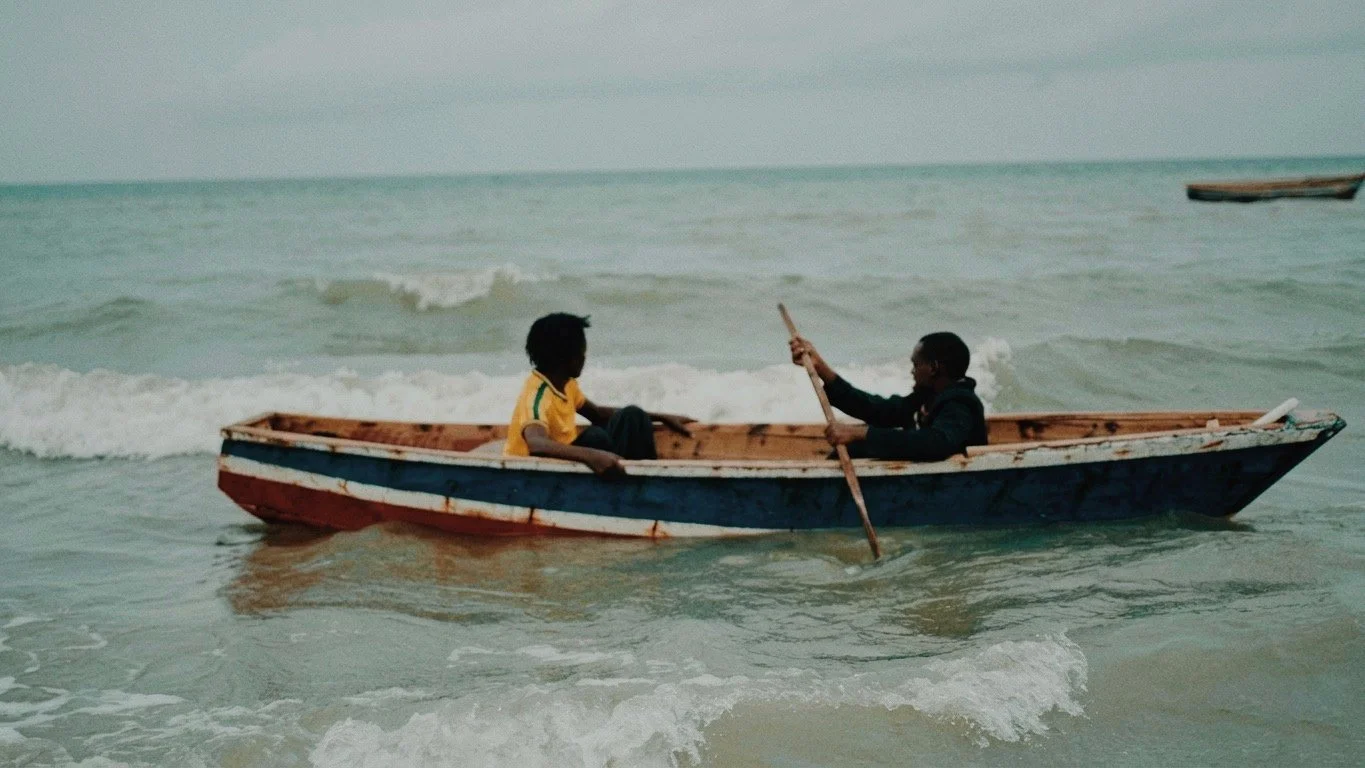

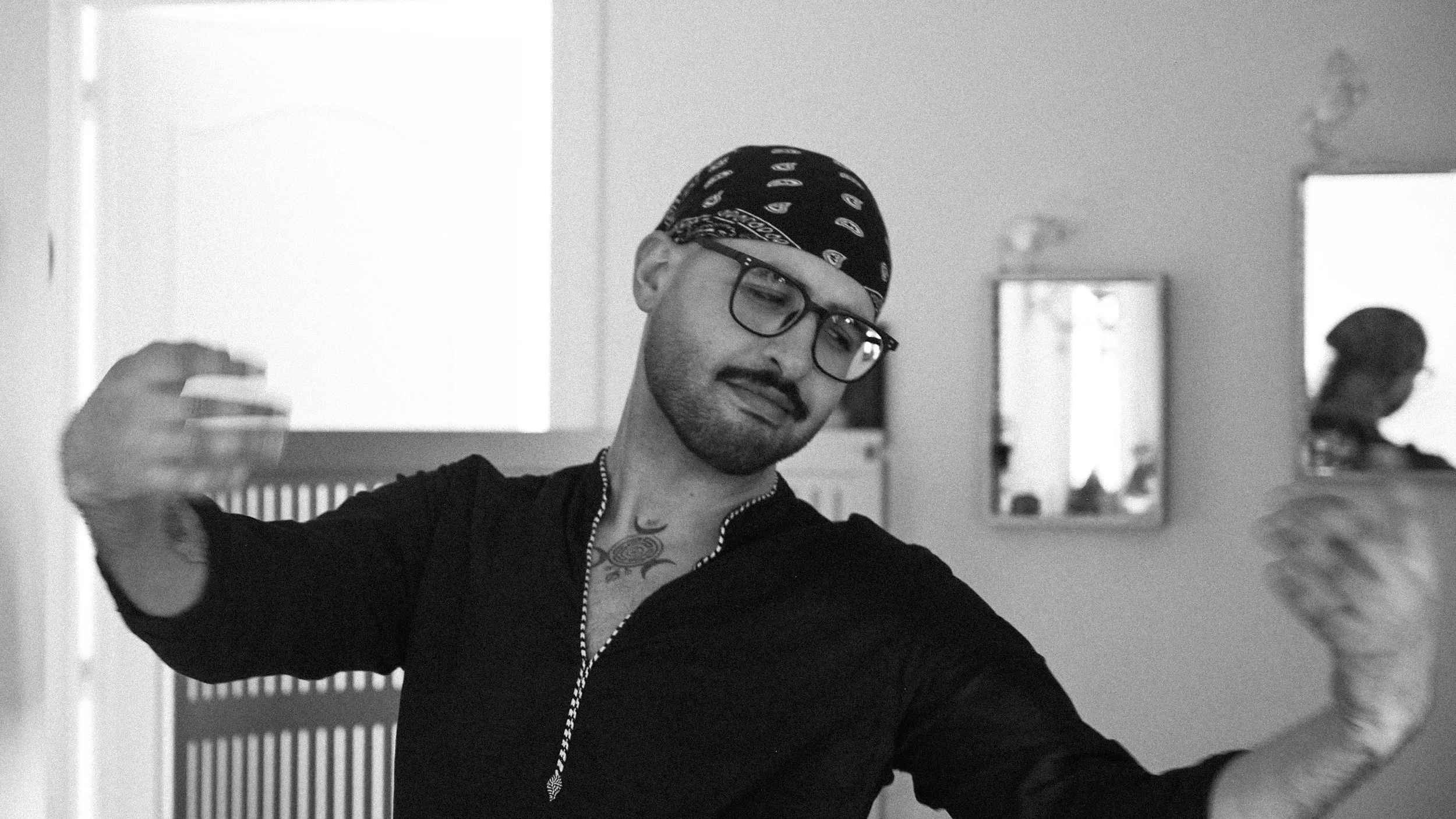
Edgar Hudson, There is an Elephant in the Room, 2026. Commissioned by Visual AIDS
for seeds in a dying colony.
Bruna Kury and Matheus Mello, Viral Borders: The Geopolitics of a Pandemic, 2026.
Commissioned by Visual AIDS for seeds in a dying colony.
Sido Lansari, Forevermore, 2026. Commissioned by Visual AIDS for seeds in a dying
colony.
Micaela Cyrino, How to project your voice without causing an earthquake, 2026.
Commissioned by Visual AIDS for seeds in a dying colony.